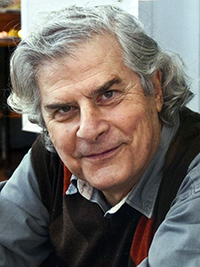
Fotis Kazazis 福蒂斯·卡扎奇斯 Fotis Kazazis was born in Nea Smyrni, Greece, during the German occupation of the country. He studied Physics at the University of Athens and earned his Master’s degree in Business Organization and Management from the Athens University of Economics and Business. He spent his professional career mainly engaged in the production of fuels and mineral oils. Fotis has been passionate about photography since childhood, and his enthusiasm remains undiminished to this day. In his summer vacations, he studied photography at the studio of his uncle, Apostolos Vervelis, who was one of the founding members of the Hellenic Photographic Society (HPS). Humanistic concern stands as the most prominent theme in his works. He focuses on rural folk customs and documentary scenes across Greece and other countries he has traveled to, while also creating works covering ancient monuments, natural landscapes, portrait photography and other genres. He has been engaged in art photography teaching since 1982 and continues his teaching work to the present. He has also served as President of the Hellenic Photographic Society. He has held numerous solo exhibitions and participated in collective photography exhibitions both in Greece and internationally. Since 1992, he has published a total of 30 photography albums. Now residing and working in Athens after retirement, his passion for photography has never faded. He has fulfilled his long-cherished wish of digitally scanning his entire photographic archive, which has greatly facilitated the publication of albums featuring his finest works. Founded in 1976, the Hellenic Photographic Society has counted Fotis Kazazis as an active member ever since its establishment. His contributions to the Hellenic Photographic Society are summarized as follows: · Delivered photography courses for young audiences from 1983 to 2010. · Represented the Hellenic Photographic Society in photography exchange events in Cyprus, Bulgaria, China, the Czech Republic, Poland and other countries. · Served as a member of the Society’s Council starting from 1980. 福蒂斯·卡扎齐斯出生于希腊新斯米尔尼,正值德国占领时期。 他曾在雅典大学攻读物理学,在雅典商科经济学院获得“企业组织与管理”硕士学位。 后主要从事燃料和矿物油生产方面的工作。 他从小对摄影感兴趣,至今仍乐此不疲。在暑假期间曾在叔叔阿波斯托洛斯·韦尔韦里斯照相馆学习摄影,而阿波斯托洛斯正是希腊摄影学会(HPS)的创始成员之一。 其作品中最为突出的主题是人文关怀。例如,希腊以及曾到访过的其它国家的乡村民俗与实地记录。同时也拍摄古迹、自然风光、人物肖像等多种主题。 自1982年起从事摄影艺术教学,至今仍在继续。 他曾担任希腊摄影协会主席。 他曾在希腊及海外举办过多次个人展览和参加摄影联展。 自1992年至今,他已出版30本摄影画册。目前,工作和居住在雅典,退休后对摄影的兴趣依然不减。 目标是将自己的档案数字化扫描,这一愿望最终得以实现。这也为他出版包含最精彩摄影作品的画册提供了帮助。希腊摄影学会成立于1976年。自那时起至今他一直是一位活跃的成员。 他在希腊摄影学会的工作概括如下: - 自1983年起为年轻人开设课程,至2010年停止 - 曾代表希腊摄影学会赴塞浦路斯、保加利亚、中国、捷克和波兰等国家参加摄影交流活动。 - 自1980年起担任希腊摄影学会理事会成员。 ---------------------------------------------
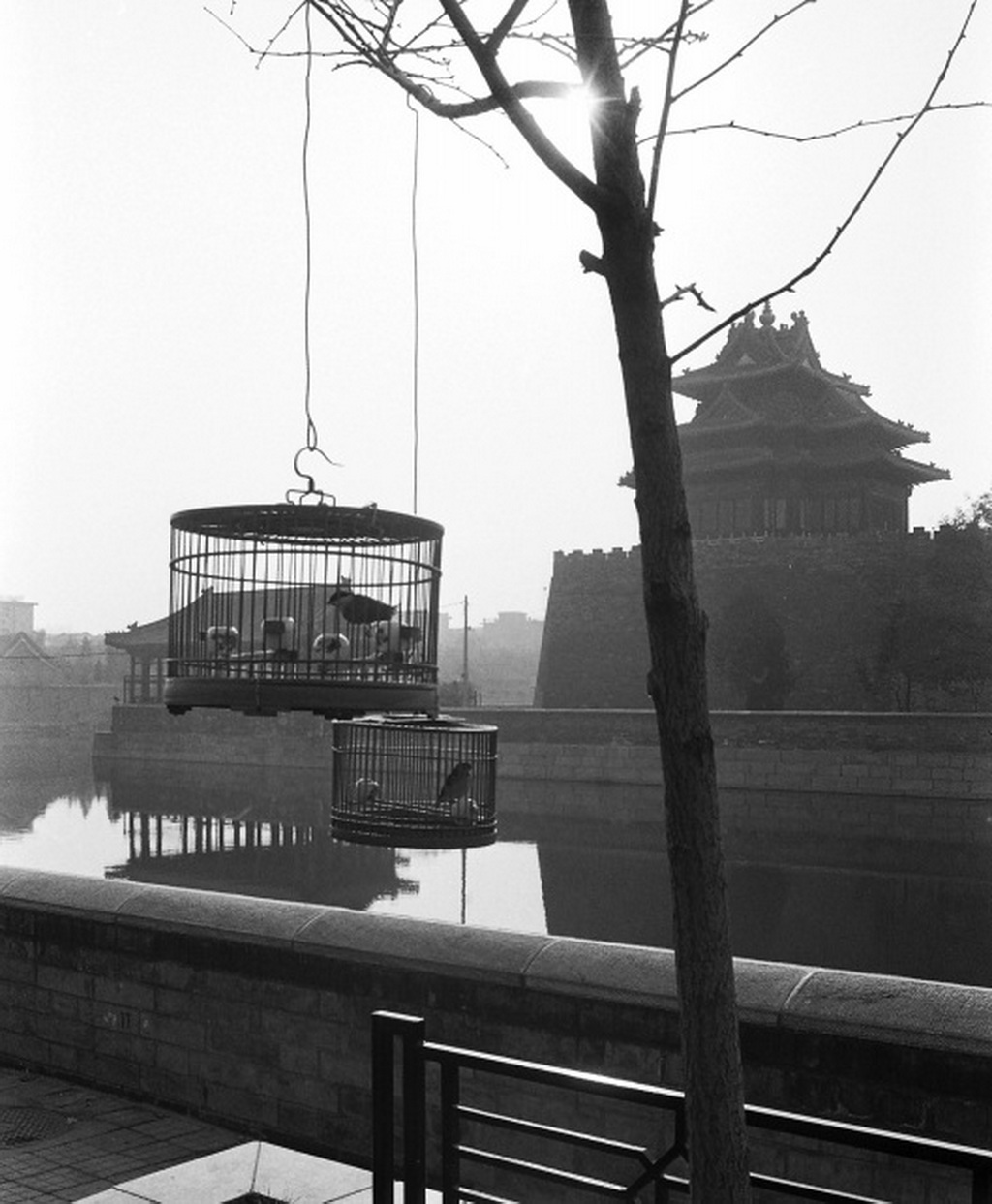
Along the northeast outer wall of the Forbidden City, local residents gather with their birdcages and hang them on trees, allowing the birds to breathe fresh air. 在紫禁城东北墙外,当地居民正带着自己的鸟笼和鸟儿聚集在一起,他们把鸟笼挂在树上,让鸟儿呼吸新鲜空气。
Our journey to the hotel was filled with delightful surprises. 我们前往酒店的路上充满了惊喜。
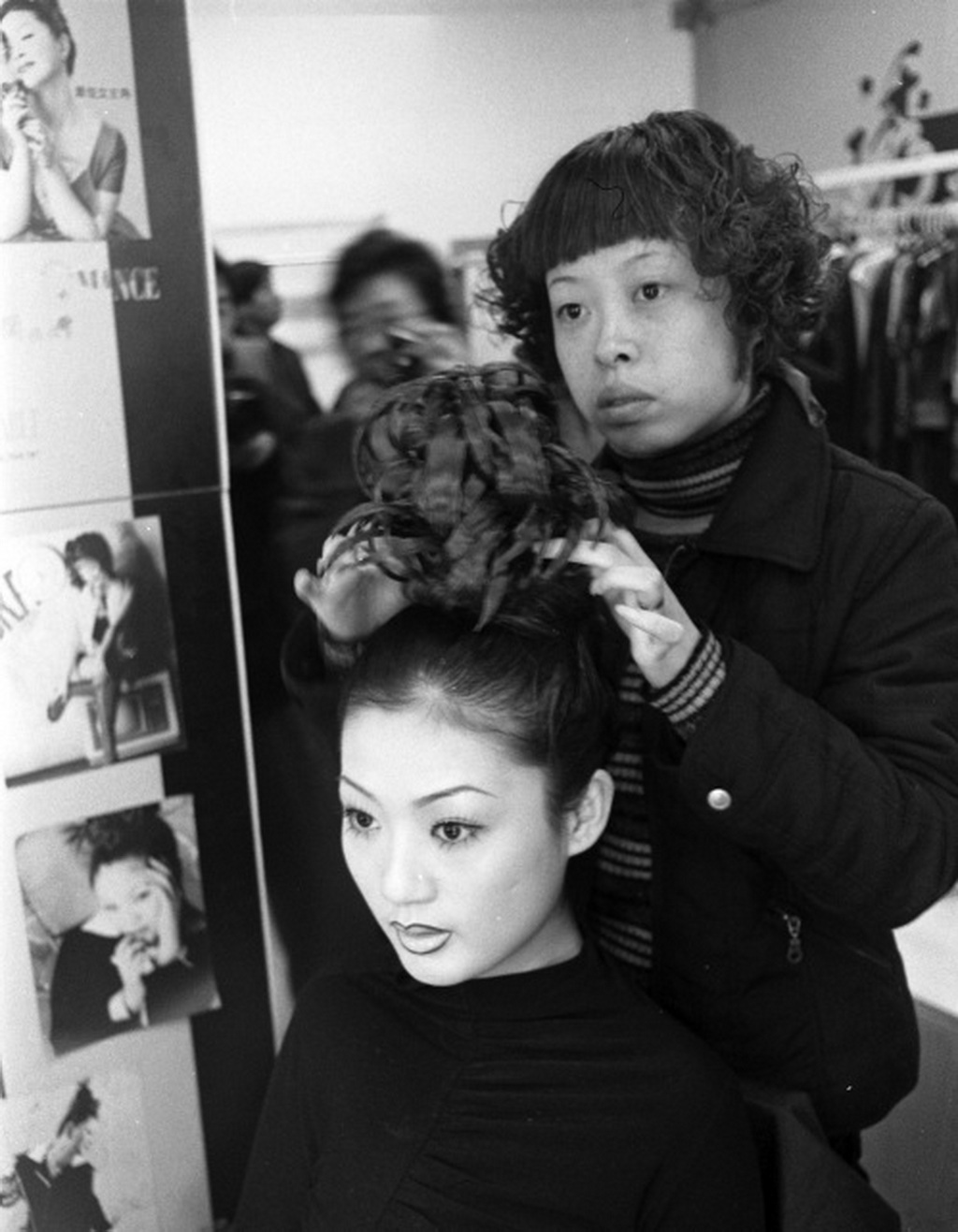
On the street, we met a female barber standing outside her shop, with a pile of honeycomb coal for cooking and heating faintly visible on her left. 在街上,我们遇到一位理发师,她站在自己的店外,左边隐约可见一堆用于烹饪和取暖的蜂窝煤。
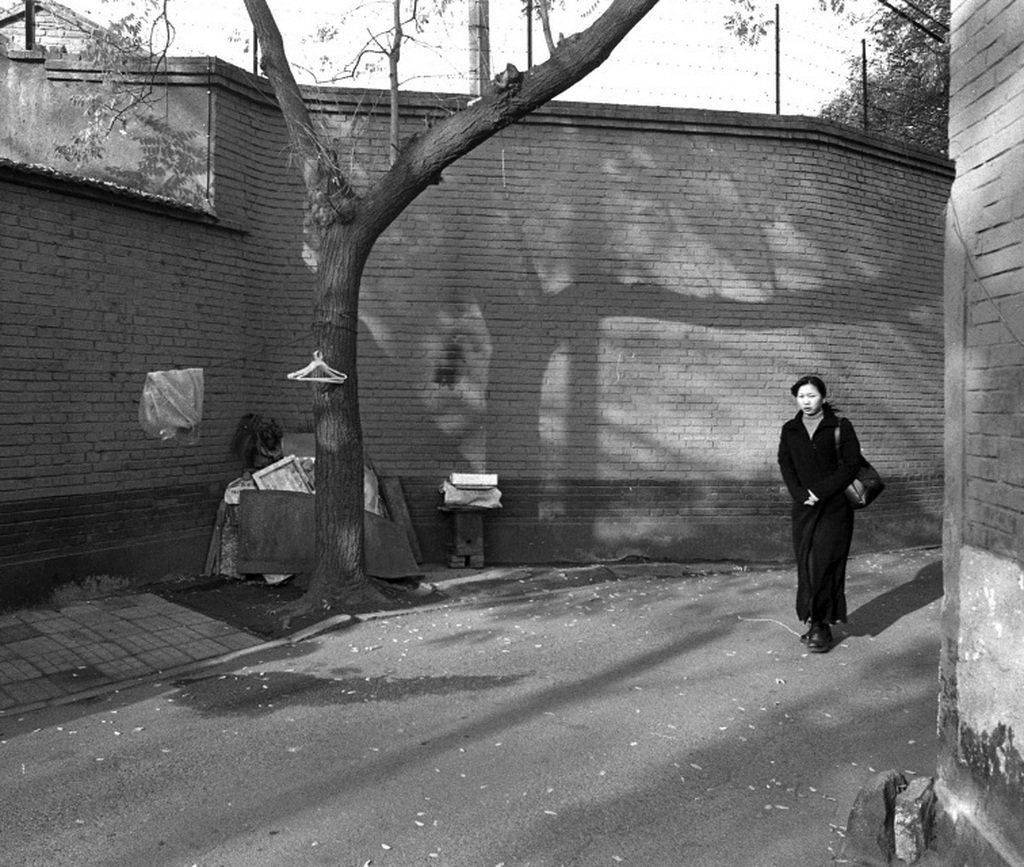
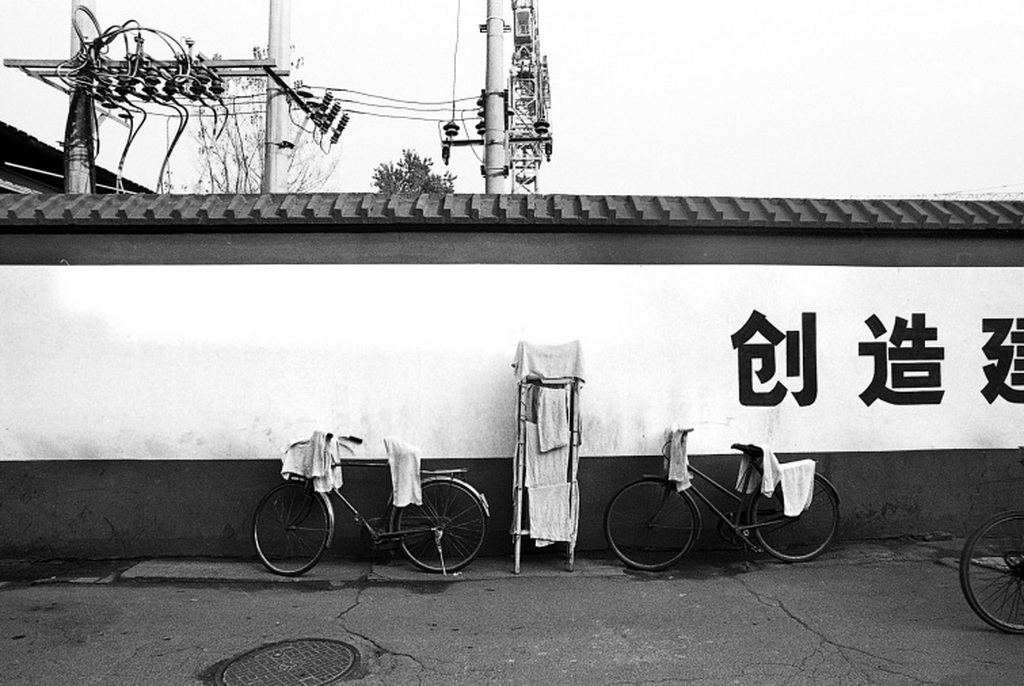
Invited by the China Photographers Association (CPA), my colleague and I visited Beijing for the first time. We stayed at a hotel in the old town, where Hutongs, the traditional alleyways of old Beijing, are well-preserved. Neat residential walls stand along the lanes, with clothes and hangers for drying in the open air. 我和同事第一次前往北京,是受中国摄影家协会(CPA)之邀。我们下榻于老城区的一家酒店, 那里保留着昔日北京的传统街道“胡同”。“胡同”一词常被用来特指这些古老的街巷。这里可见一面整齐的民居墙和晾晒着的衣物和衣架。
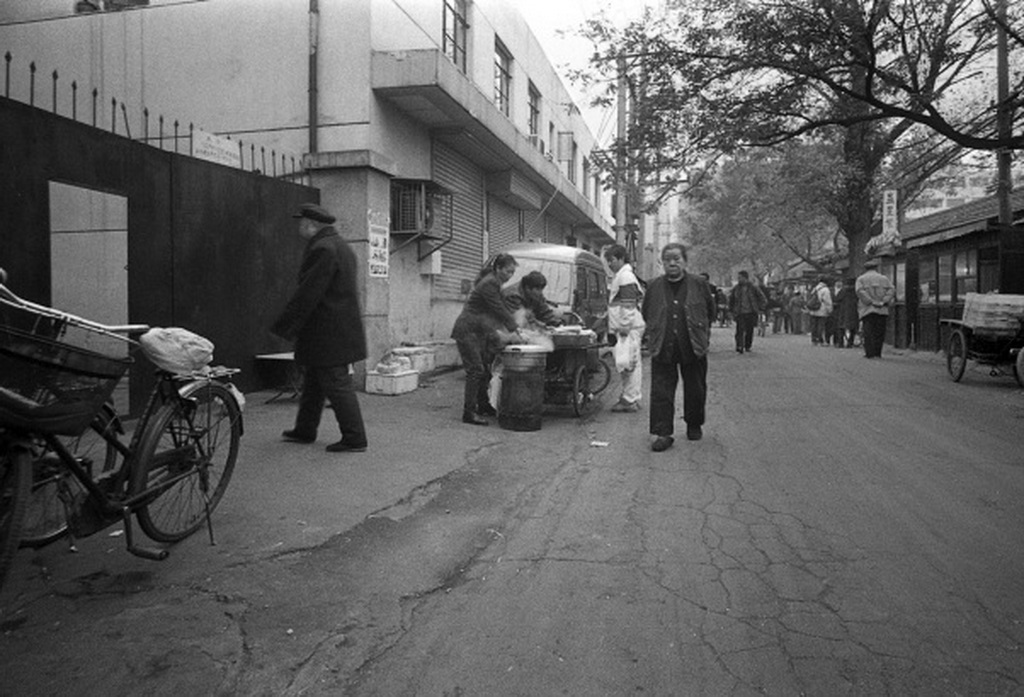
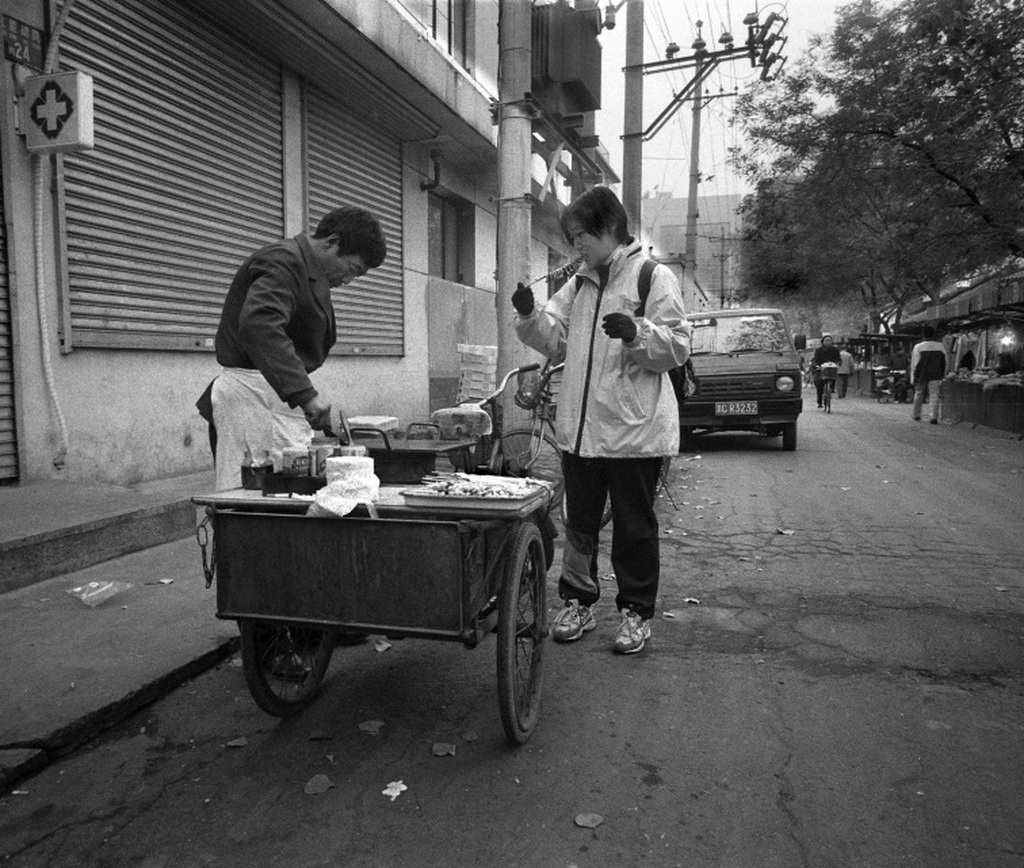
The streets are lined with open-air mobile stalls selling a rich variety of delicacies, a typical scene across China. 街上有许多露天流动摊位,售卖各种各样的美食。这种景象在中国随处可见。 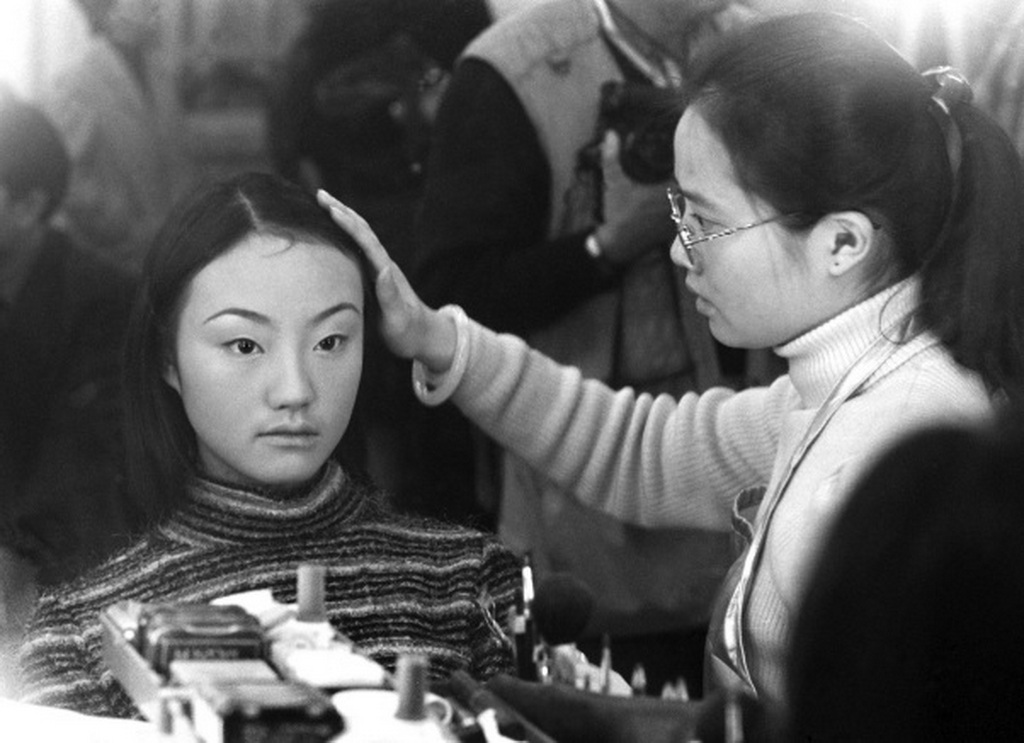 I took this photo outside the glass door of a barbershop. The frame also captures the reflection of my colleague, a member of the Hellenic Association of Photographic Artists. 我站在一家理发店的玻璃门外拍了这张照片。照片中还映出了我的同事,希腊摄影艺术家协会会员。
We later entered the barbershop to take photos. We were greeted with great hospitality and warm smiles everywhere we went. 随后,我们走进理发店拍照。到处都受到热情友好的迎接,人们脸上洋溢着灿烂的笑容。
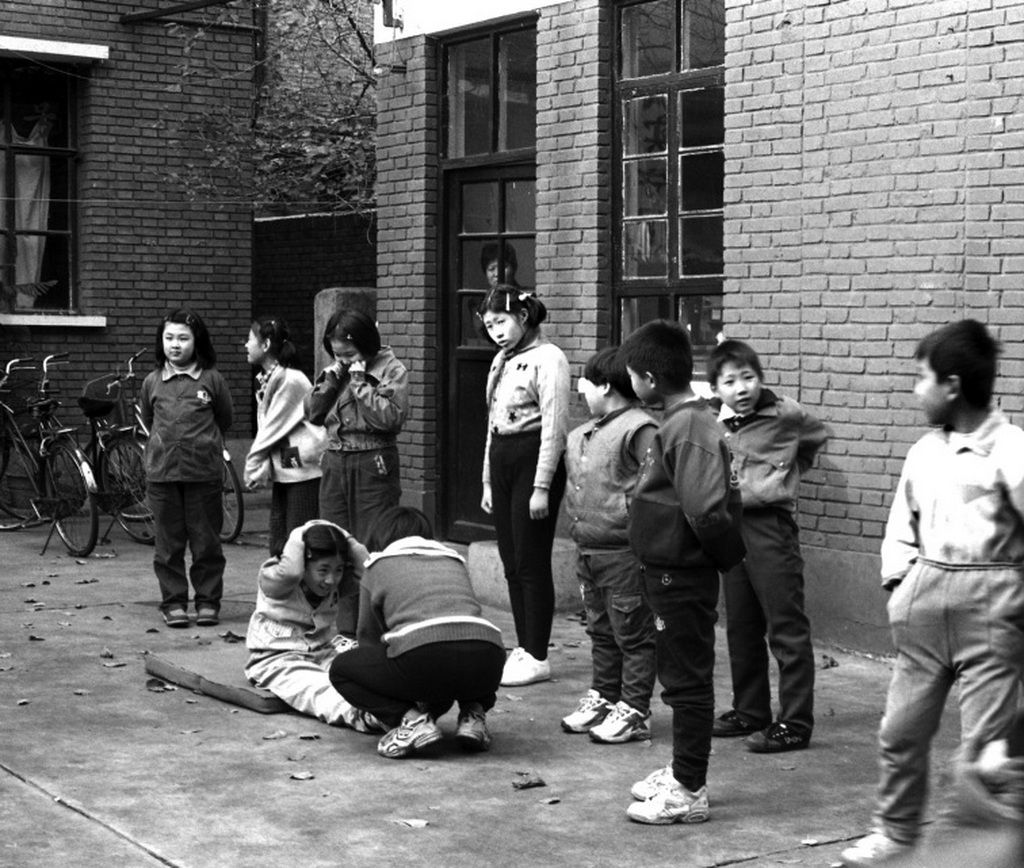
During class breaks, students enjoy outdoor activities outside their classrooms. 课间,学生们在教室外活动。
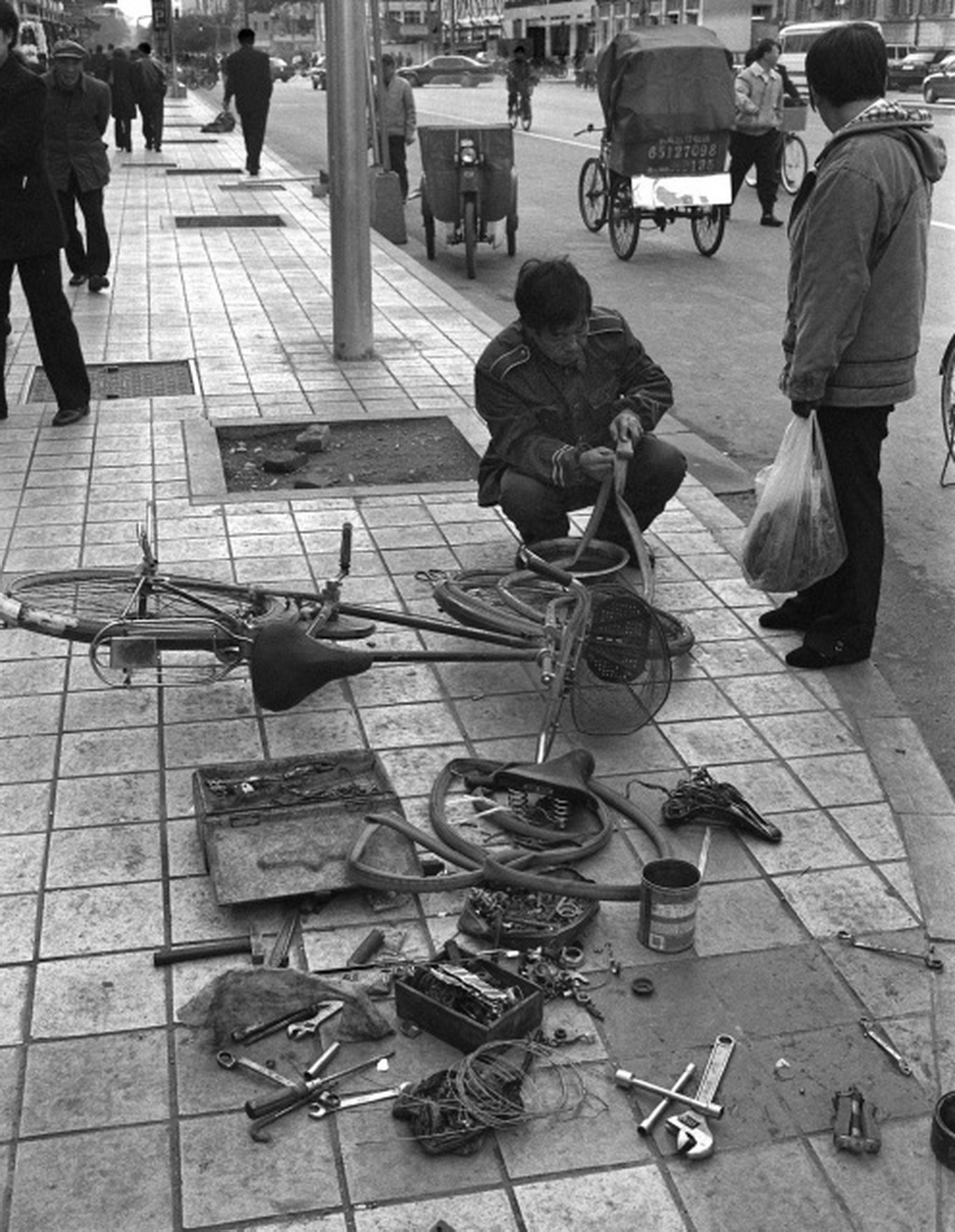
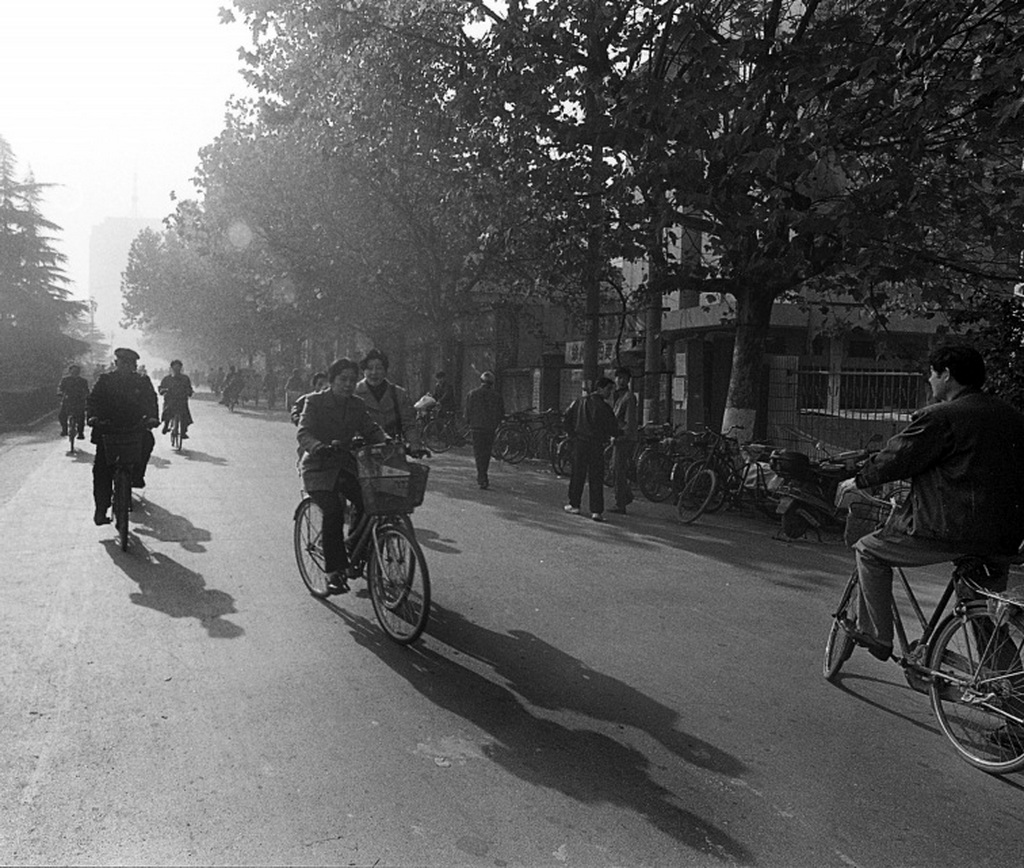
Bicycles are the primary means of local transportation. Roadside bicycle repairmen can be seen fixing bikes for riders in need across many streets. 自行车是他们主要的交通工具。在许多地方,可以看到路边有自行车修理工为遇到问题的骑车人修理自行车。
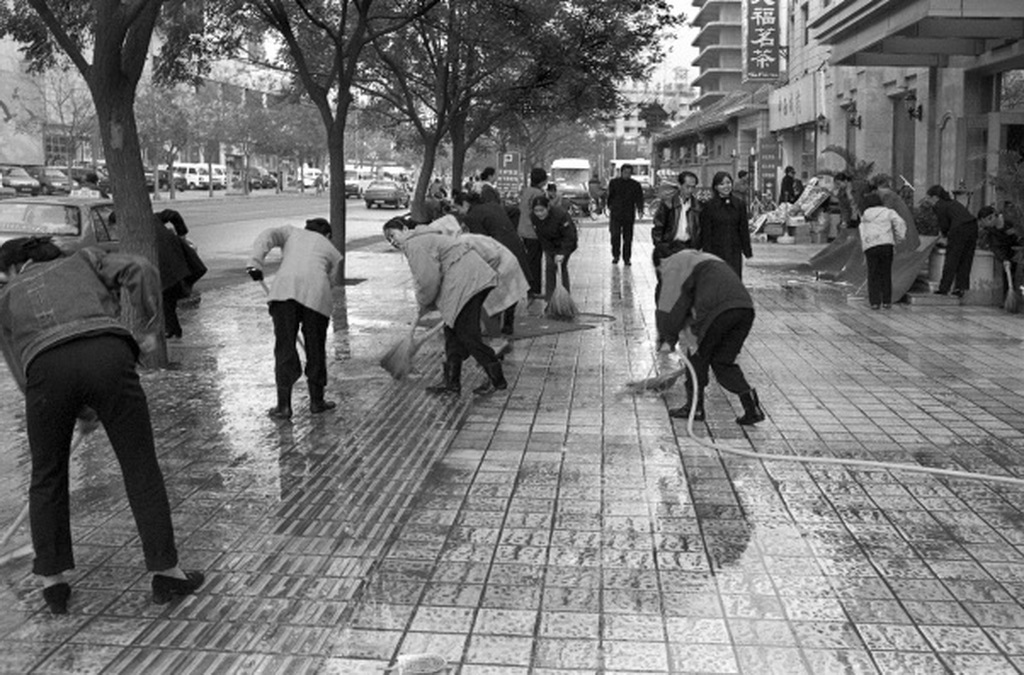
Wide pedestrian streets flank the road, lined with large stores. Every early morning, staff clean the pedestrian zone before merchants start their daily business to serve customers. 马路两旁是宽阔的步行街,步行街旁矗立着大型商店。清晨,工作人员清扫步行街,随后大家各就各位开始为顾客提供服务。
Early in the morning, locals commute to work by bicycle. 清晨,人们骑车上班。
Bicycles serve as temporary drying racks with clothes hung on them. 自行车上晾着衣服,成为临时的晾衣架。
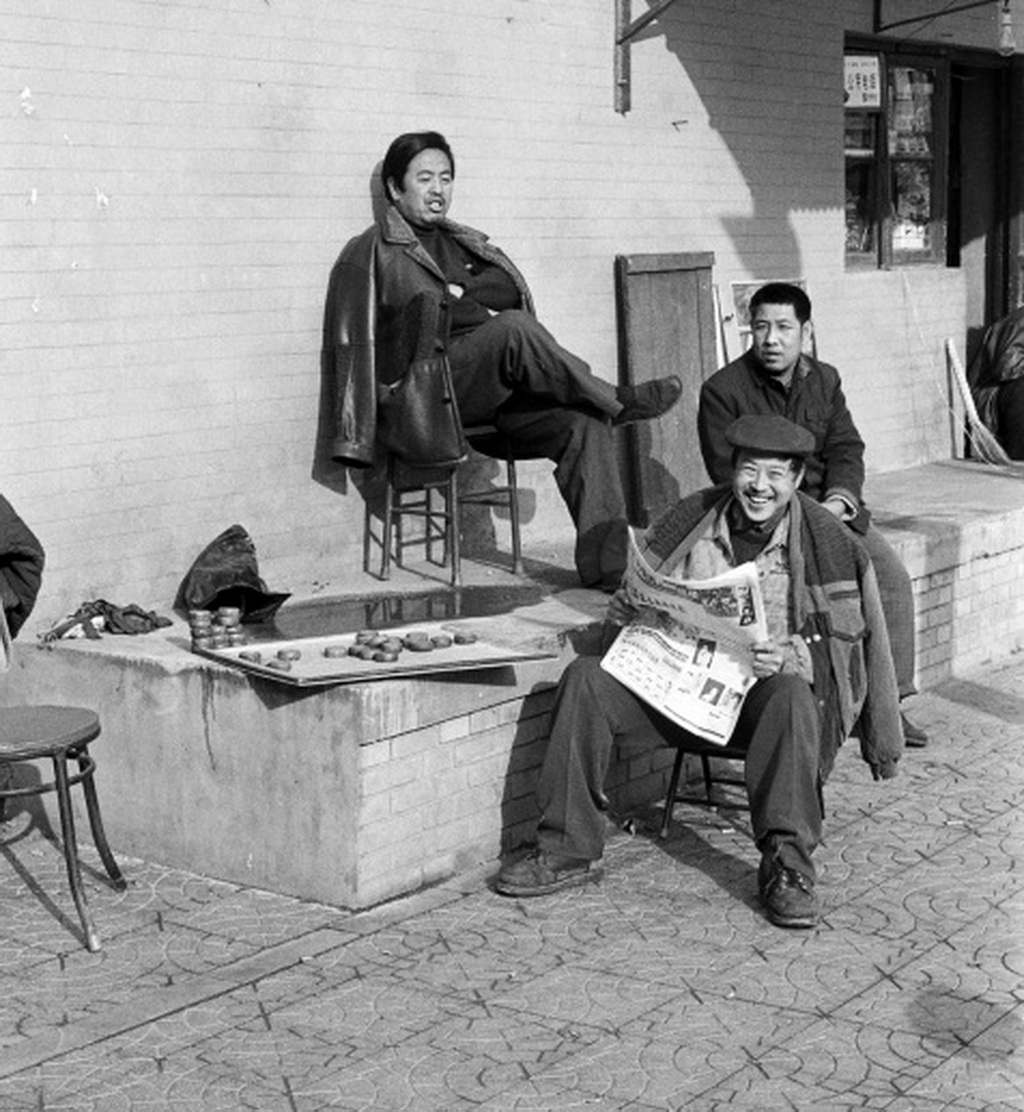
On a winter morning, locals bask in the sunshine outdoors. 冬日上午,人们在外面晒太阳。
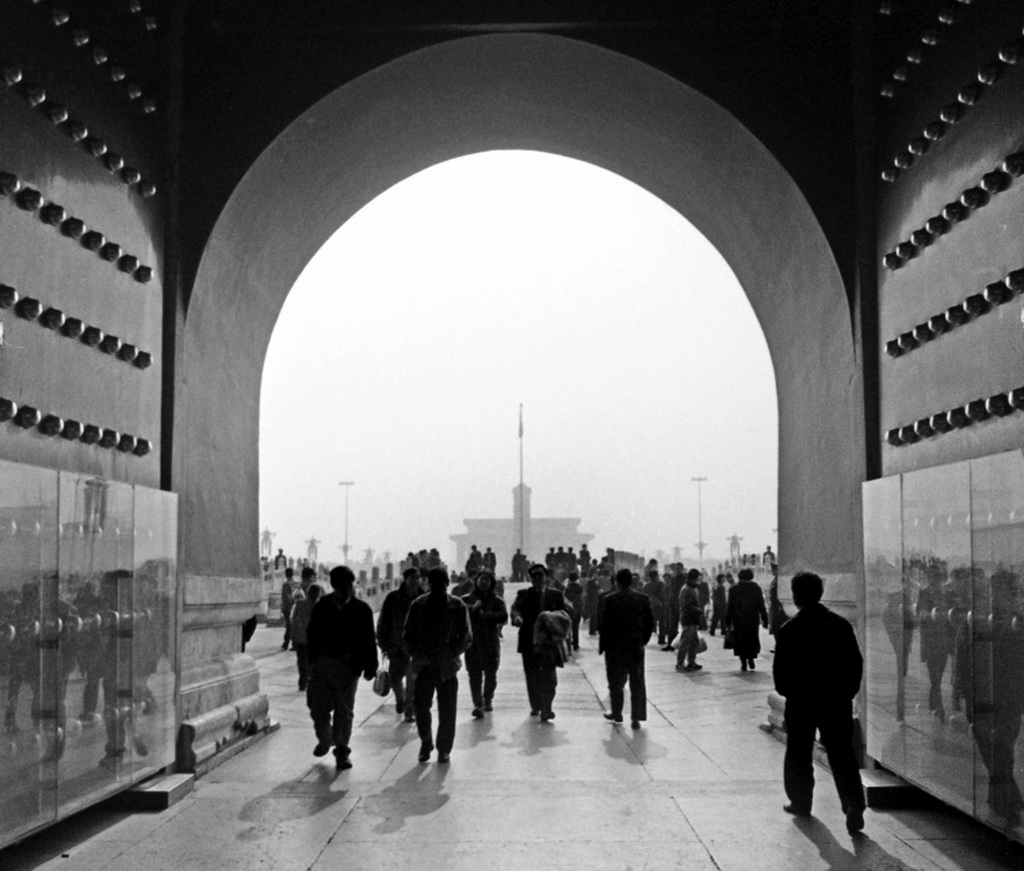
A visit to the Forbidden City begins at this magnificent main gate. 参观紫禁城,首先要进入这个气势恢宏的大城门入口。
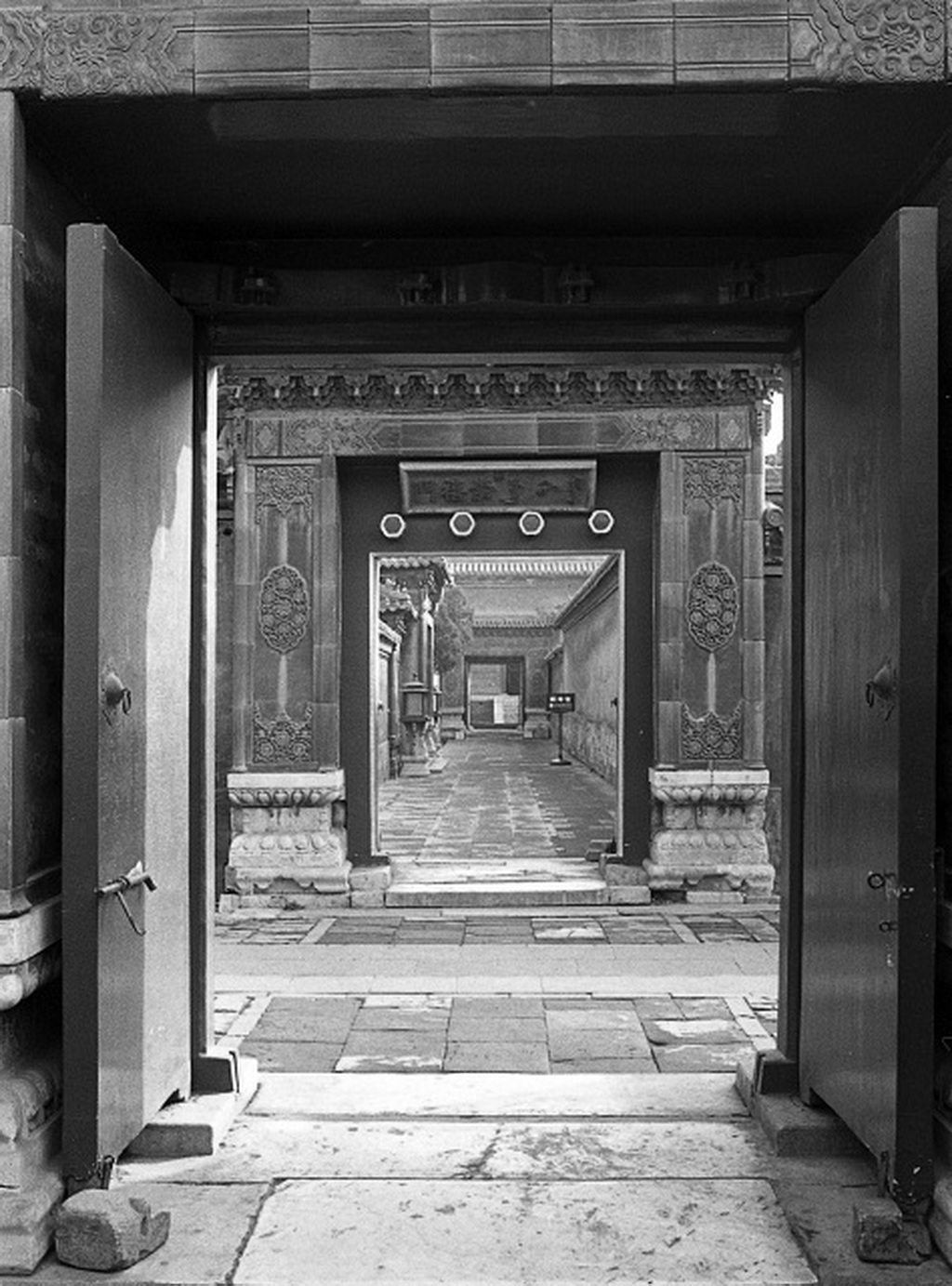
As one of the most photographed architectures in the world, the Forbidden City is a world-famous landmark and a popular filming site for numerous films and TV works. Standing before this unparalleled world cultural heritage, I was filled with profound emotions. 紫禁城是世界上被拍摄最多的建筑之一,几乎家喻户晓,曾是众多影视作品的取景地。而我也不例外,站在举世瞩目的世界遗产瑰宝面前,心中不禁感慨万千。
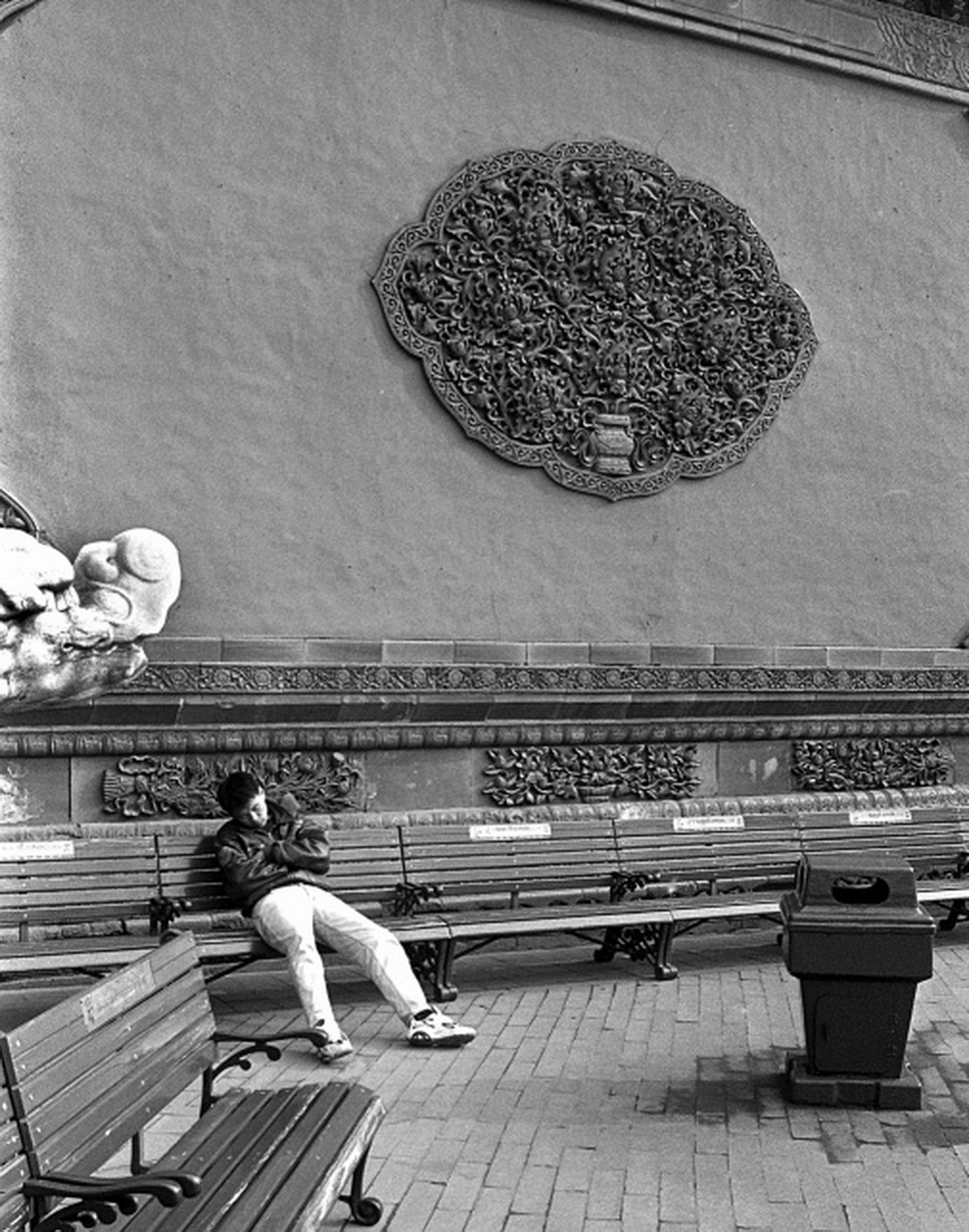
A tourist takes a short rest on a bench. 一位游客正坐在长椅上小憩。
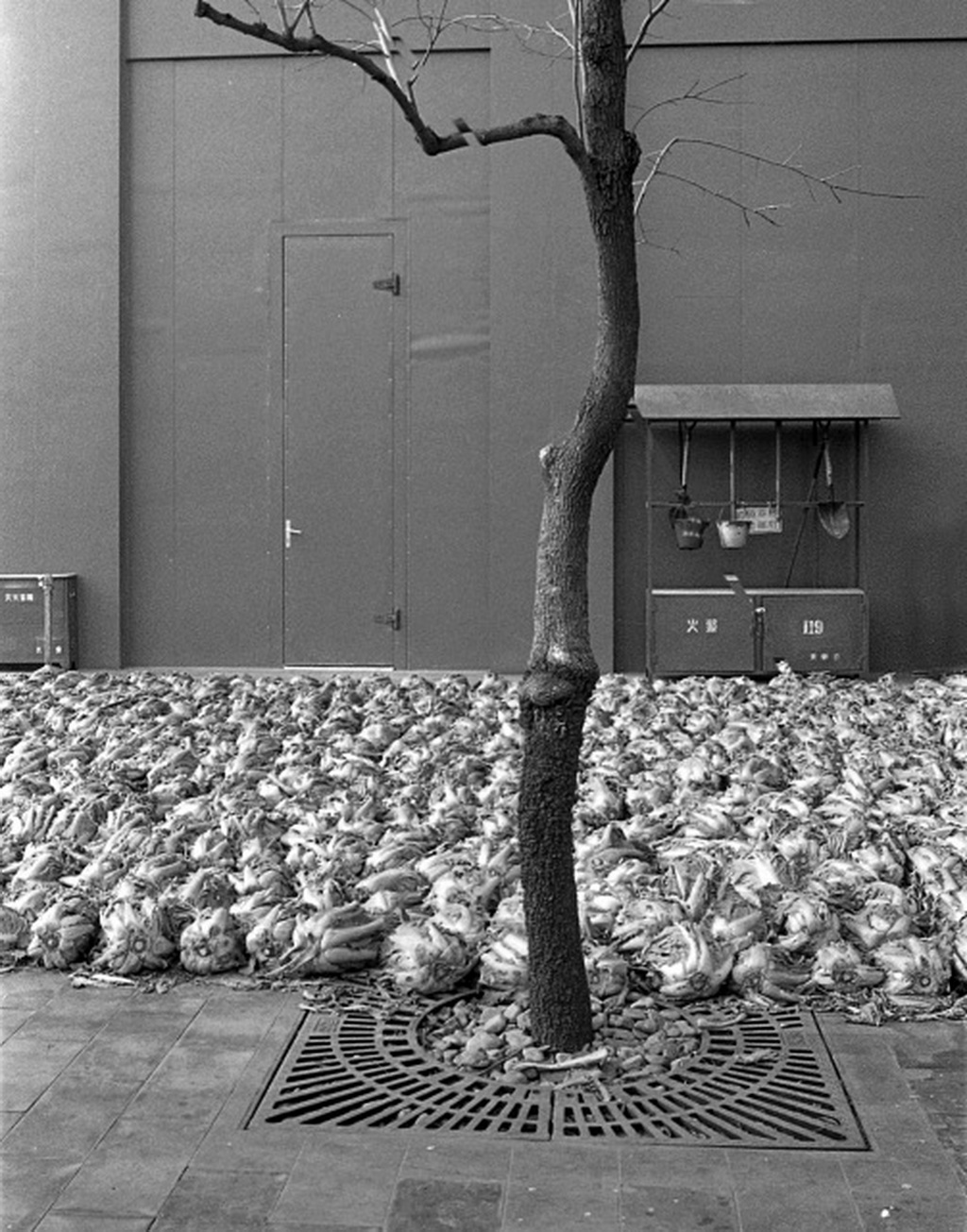
Hundreds of large Chinese cabbages for winter storage are neatly placed in the backyard of a local shop. 一家商店后院地上摆放着上百颗硕大的冬储大白菜。
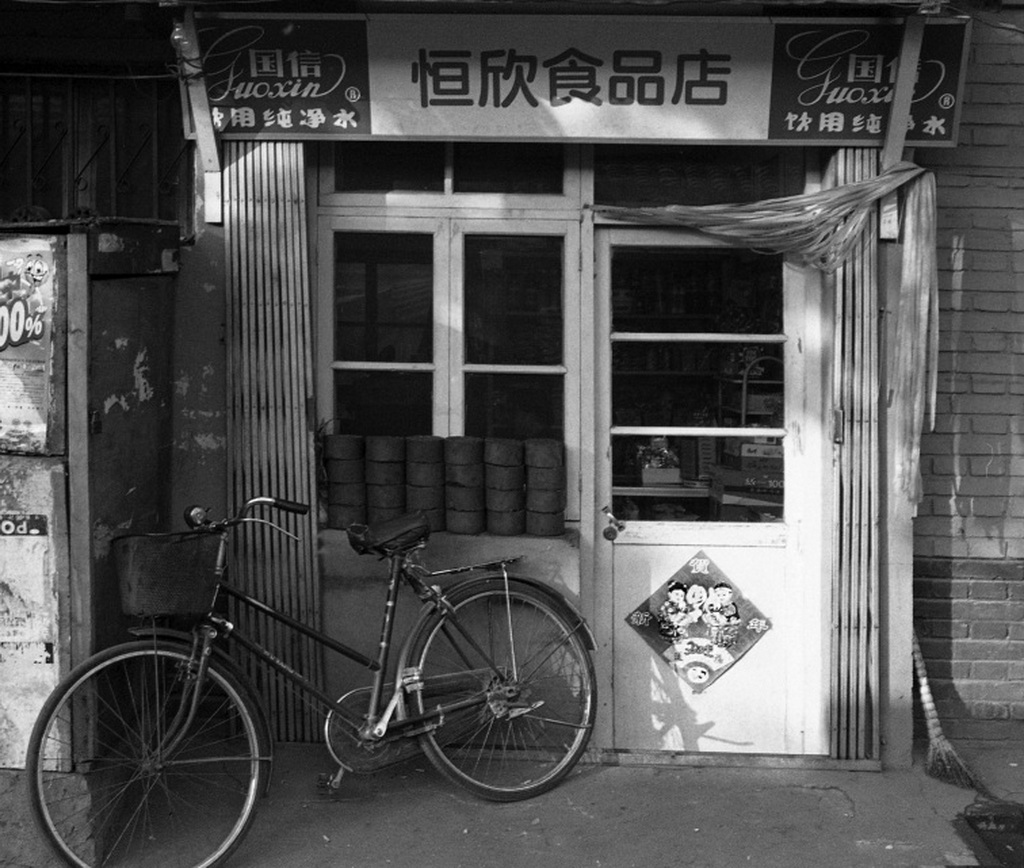
Entrance of a small grocery store. 一家小食品店门口。 |

手机APP
手机版

官方微信
 44049002000246|网站地图